

For a first stay in Rome, the best area is the one that lets you reach the major monuments on foot and get back easily in the evening. This guide complements our core article on where to stay in Rome: it does not compare every district, it says which ones to choose, what type of accommodation to take and which traps to avoid when you do not know the city. Information checked in October 2026. ## The three areas to favour - **Historic centre (Navona, Pantheon, Campo de' Fiori)**: the simplest choice for two or three days, since most central sights can be reached on foot. No metro station in the area, and lively lanes in the evening. - **Monti**: a village-like district ten minutes on foot from the Colosseum and the Forum, with metro lines B (Cavour, Colosseo) and C (Colosseo). A good compromise between atmosphere and convenience. - **Prati**: quiet, well connected by metro line A (Ottaviano, Lepanto) and ten minutes on foot from the Vatican Museums. Less old-Rome atmosphere, but more peace. 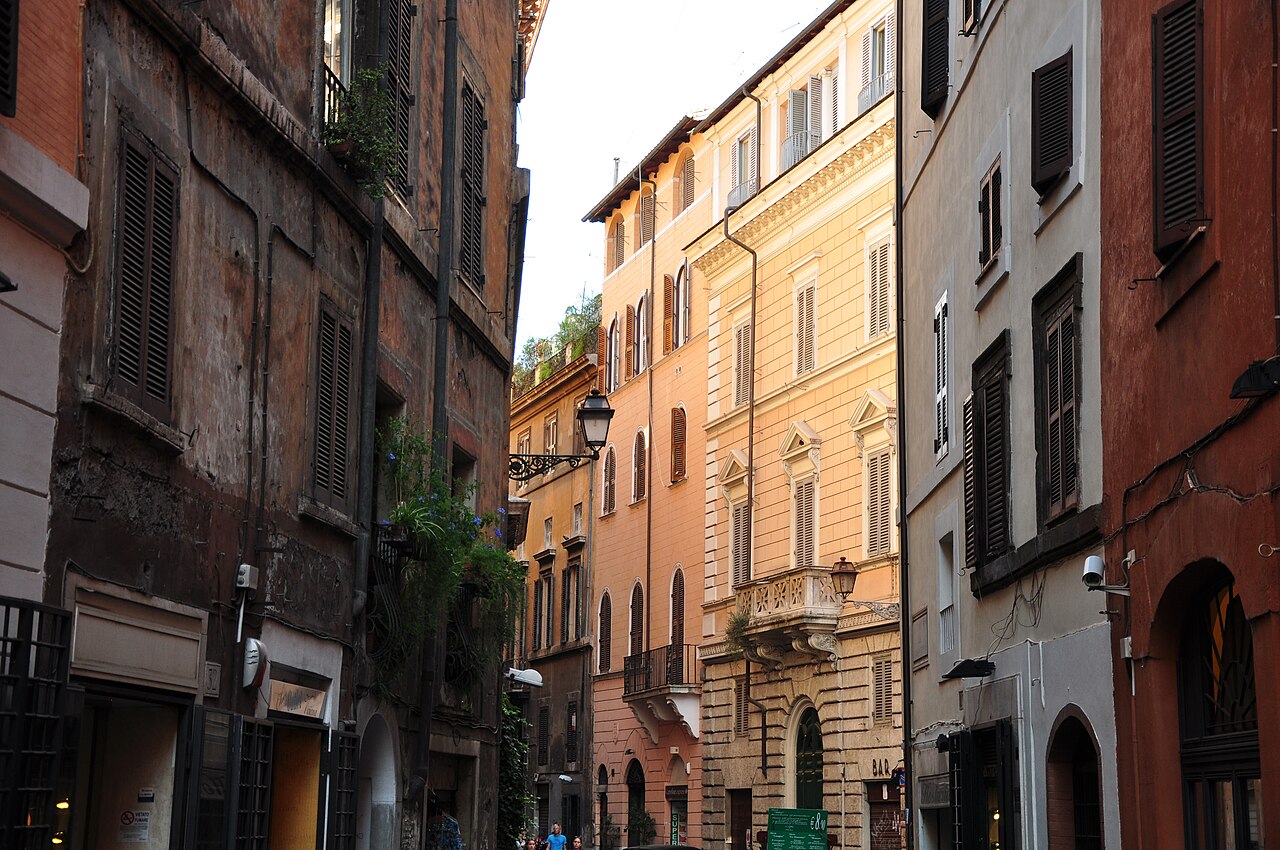 For a first visit, we advise against sleeping far from a metro station or a tram: see transport in Rome. Details on Monti, Prati and Borgo and the historic centre. ## Termini: practical if you arrive or leave early Termini station brings together both metro lines, the airport buses and the Leonardo Express train; it is also the gateway to day trips by train. The area is less pleasant in the evening and calls for more vigilance (see Termini and Esquilino and scams to avoid). Choose a street on the Monti side or a well-rated address rather than the immediate vicinity of the tracks. ## Hotel, guesthouse or apartment - **Hotel**: a reception that holds luggage, breakfast, on-site advice; the simplest solution for a first stay. - **Guesthouse or B&B**: often smaller and more personal; check for a lift and the check-in time. - **Apartment**: useful for several nights; the property must show its national CIN code, mandatory since 1 January 2025. Prices vary too much by date and district to give a reliable range: always compare identical dates. ## What to check before booking - **Walking distance**: look at the route to the nearest metro, not just the distance to the centre. - **Noise**: in the centre and Trastevere, ask for a room on the courtyard. - **Air conditioning**: from June to September, it is essential. - **Lift and stairs**: common in old buildings. - **Tourist tax**: paid on the spot, per person per night, on top of the room price; the scale is detailed in where to stay in Rome. - **ZTL**: if you come by car, choose accommodation outside the limited traffic zones; without a car, it is not an issue. ## How many nights to plan Three nights are enough for the major sights (see Rome in 3 days); four or five let you slow down (Rome in 4 days). For only two days, see a weekend in Rome. 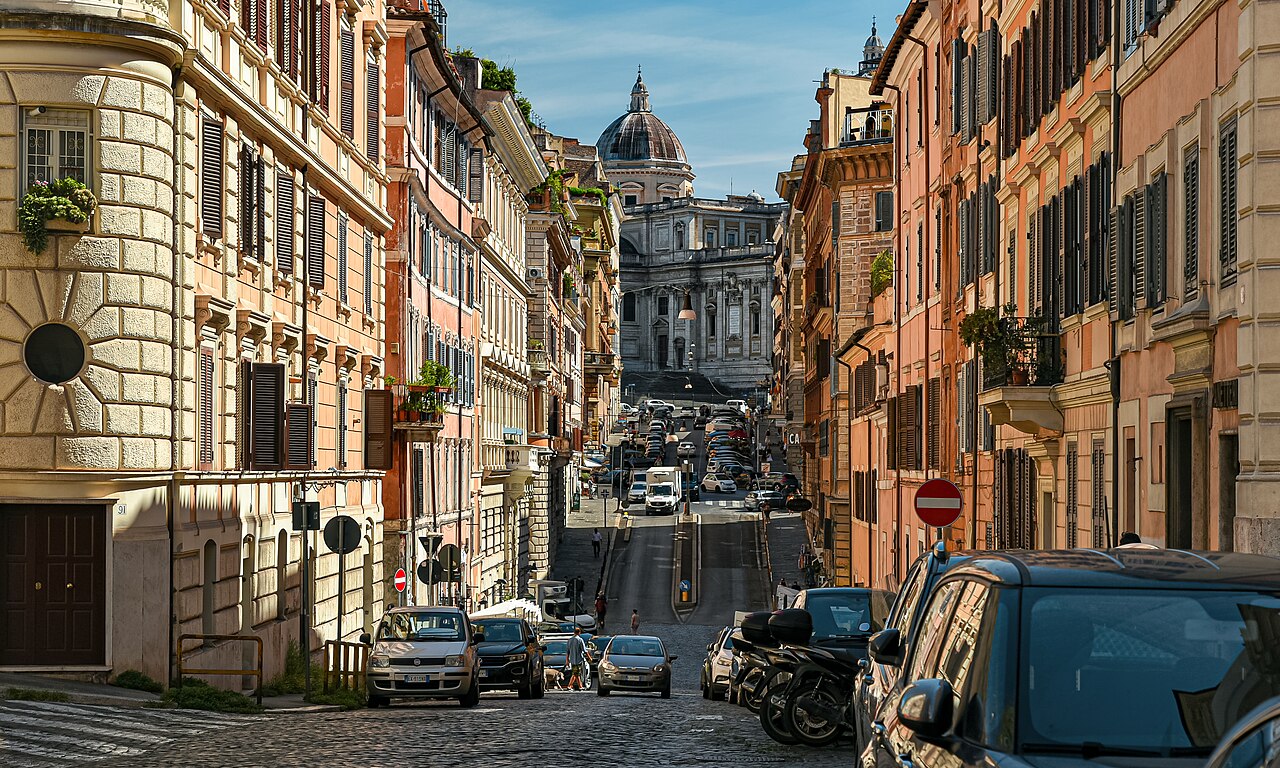
See in this guide
See these 4 places on the map


